01
Deep Time
Iran is older than the headlines
Iran’s public image is often shaped by modern politics, but its
history reaches far deeper: ancient empires, sacred landscapes,
trade routes, literary memory, architecture, gardens, and living
ritual culture.
To understand Iran responsibly, start with continuity. The present
is one chapter in a much longer story.
Read the timeline →
02
Identity
Persia, Iran, and the Persian language
“Persia” is the historical name many outsiders used for the
country, while “Iran” is the modern official name. “Persian”
still remains widely used in English for the language, literature,
poetry, art, and cultural traditions.
Iran is also multilingual and regionally diverse. Any serious
introduction should leave room for many communities, accents,
landscapes, and local identities.
Explore Iran by city →
03
Ritual & Public Life
Religion, ritual, and public culture
Faith, ritual, and public memory have shaped Iran across centuries.
Safavid history, Shia Islam, older Zoroastrian inheritances,
Nowruz, pilgrimage, poetry, mourning traditions, and seasonal
celebrations all belong to the wider cultural picture.
The goal is not to flatten Iran into one identity, but to show how
different traditions have shaped the country’s sense of time,
belonging, and memory.
Explore Mashhad →
04
Landscape & Design
Landscapes of survival and beauty
Iran is a country of mountains, deserts, forests, coastlines,
gardens, caravan routes, and old water systems. Its built culture
often reflects adaptation: shade, courtyards, windcatchers,
qanats, bridges, gardens, and bazaars.
This is one of the best ways to understand Iranian resilience:
not as an abstract idea, but as design shaped by land, climate,
craft, and community.
Explore Yazd →
05
Poetry & Memory
Poetry, music, and the inner life
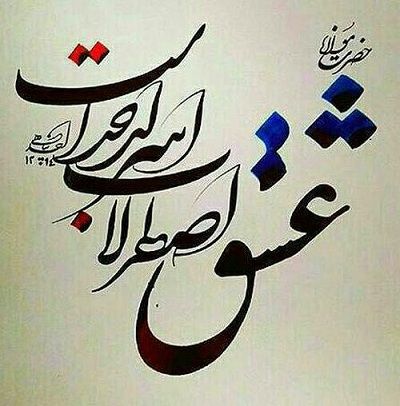
Persian poetry is not only literature. It is memory, philosophy,
devotion, humor, longing, counsel, beauty, and social language.
Ferdowsi, Hafez, Saadi, Rumi, and many others continue to shape
how Iran understands itself.
If the headlines show pressure, poetry shows another truth:
a civilization that has repeatedly turned upheaval into language,
beauty, and reflection.
Receive the poetry collection →
06
Everyday Life
Daily life, not only state power
Iran is not only government, geopolitics, or crisis. It is also
families, schools, markets, cafés, students, workers, artists,
pilgrims, farmers, shopkeepers, filmmakers, musicians, cooks,
architects, and children growing up inside ordinary routines.
One responsible rule is to distinguish between state, society,
and diaspora. They overlap, but they are not the same thing.
Read stories from Iran →
07
Careful Context
Modern challenges in plain language
Iran today faces overlapping pressures, including sanctions,
regional instability, environmental stress, water and energy
challenges, economic strain, and social change.
Acknowledging those realities matters. But reducing an entire
country to those pressures is misleading. Daily life continues
through work, study, family, faith, art, food, local tradition,
and memory.
Place the present in a longer story →